


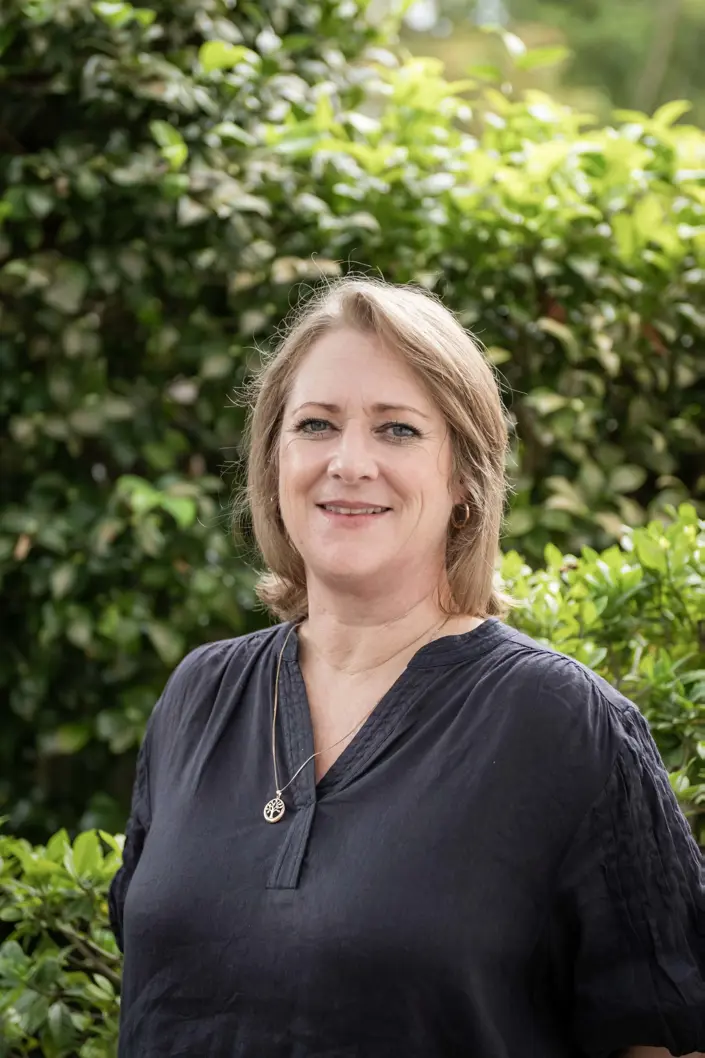
Jessica Saayman is Catholic Healthcare’s Clinical Nurse Team Leader, leading a dedicated team of community nurses who support older Australians to live safely and independently at home. Here, Jessica shares what community nursing looks like today, and why delivering care in the community can make such a difference.
Nursing in the community
Community nursing plays a vital role in supporting older Australians to remain safe, independent, and well in the comfort of their own homes. Catholic Healthcare's Community Nursing team provides services across metropolitan, regional, and rural areas of New South Wales, delivering person-centred clinical care in residential care, retirement communities, Health and Wellness Centres, and in community-based settings.
Clinical care tailored to each person
Our team consists of experienced registered and enrolled nurses with diverse clinical backgrounds and expertise. We support clients with a broad range of healthcare needs, including chronic disease management, wound and medication management, continence and stoma support, catheter care, palliative and end-of-life care, dementia support, falls prevention, health assessments, education, and clinical monitoring.
We work closely with families, general practitioners, allied health professionals, pharmacists, and other healthcare providers to ensure coordinated and holistic care.
What makes community nursing distinctive is the opportunity to see the whole person within the context of their daily life. By caring for people in their own homes and communities, nurses gain a deeper understanding of their routines, goals, strengths, support networks, and challenges. This allows care to be tailored to what matters most to each person, supporting independence, dignity, wellbeing, and quality of life.
At the heart of our approach is person-led, relationship-centred care. Our nurses work in partnership with clients and their families to develop meaningful care plans that reflect each person's story, preferences, cultural background, values, and health priorities, while maintaining confidence, choice, and connection to the community.
Clinical excellence and innovation
Our team is committed to ongoing professional development, clinical excellence, and contemporary practice. Nurses participate in education, clinical forums, competency development, policy updates, and professional learning to ensure care remains aligned with current evidence, best practice guidelines, and industry standards.
Innovation is also an important part of our service. Tools such as the PainChek assessment system enhance our ability to assess and monitor pain, particularly for clients living with dementia or those who may have difficulty communicating their symptoms. Evidence-based assessment tools help nurses identify concerns early and implement appropriate interventions.
Regular Clinical Review Meetings and Multidisciplinary Team (MDT) discussions also enable nurses and other healthcare professionals to review complex client situations, share expertise, and develop coordinated care strategies.
Working together to identify risks early
These discussions help identify clients who may be at risk of deterioration, social isolation, safeguarding concerns, repeated hospital admissions, medication-related issues, falls, or increasing care needs. Together, the team identifies risks, develops practical solutions, and implements proactive interventions to help clients remain safe and well at home.
This collaborative approach supports shared learning, clinical decision-making, and ensures nurses are not managing complex situations in isolation.
Expanding care through our Health and Wellness Centres
A recent development is our nurse-led clinics within our Health and Wellness Centres, which now provide greater access to nursing services. This includes early intervention, health promotion, chronic disease support, and ongoing clinical monitoring in a welcoming community setting, complementing in-home care.
Community nurses also connect clients with Catholic Healthcare services including home care, allied health, social support programs, wellness activities, pastoral care, respite services, and residential care pathways when required. This integrated care model supports clients' physical, emotional, social, and spiritual wellbeing.
A passion for nursing
I am privileged to lead this dedicated team as Clinical Nurse Team Leader. My nursing career has included community nursing, chronic disease management, aged care, immunisation, Aboriginal and Torres Strait Islander peoples health, refugee health, school health, and child and family nursing.
Throughout my career, I have remained passionate about supporting people to live safely and independently within their own homes and communities, while empowering nurses to deliver evidence-based, compassionate, and person-centred care.
One of the aspects I value most about community nursing is the opportunity to build meaningful relationships with clients and families over time. Community nurses are often invited into people's lives during periods of significant change, vulnerability, and transition. Being able to provide clinical care, reassurance, education, advocacy, and support is both a privilege and a responsibility our team takes seriously.
Community nursing is often described as healthcare without walls. It combines clinical expertise, education, advocacy, care coordination, innovation, and compassionate relationship-based care.
As healthcare continues to evolve, community nurses remain uniquely positioned to make a meaningful difference in the lives of older people, helping them maintain their independence, achieve their personal goals, and continue living safely and well within their communities.